

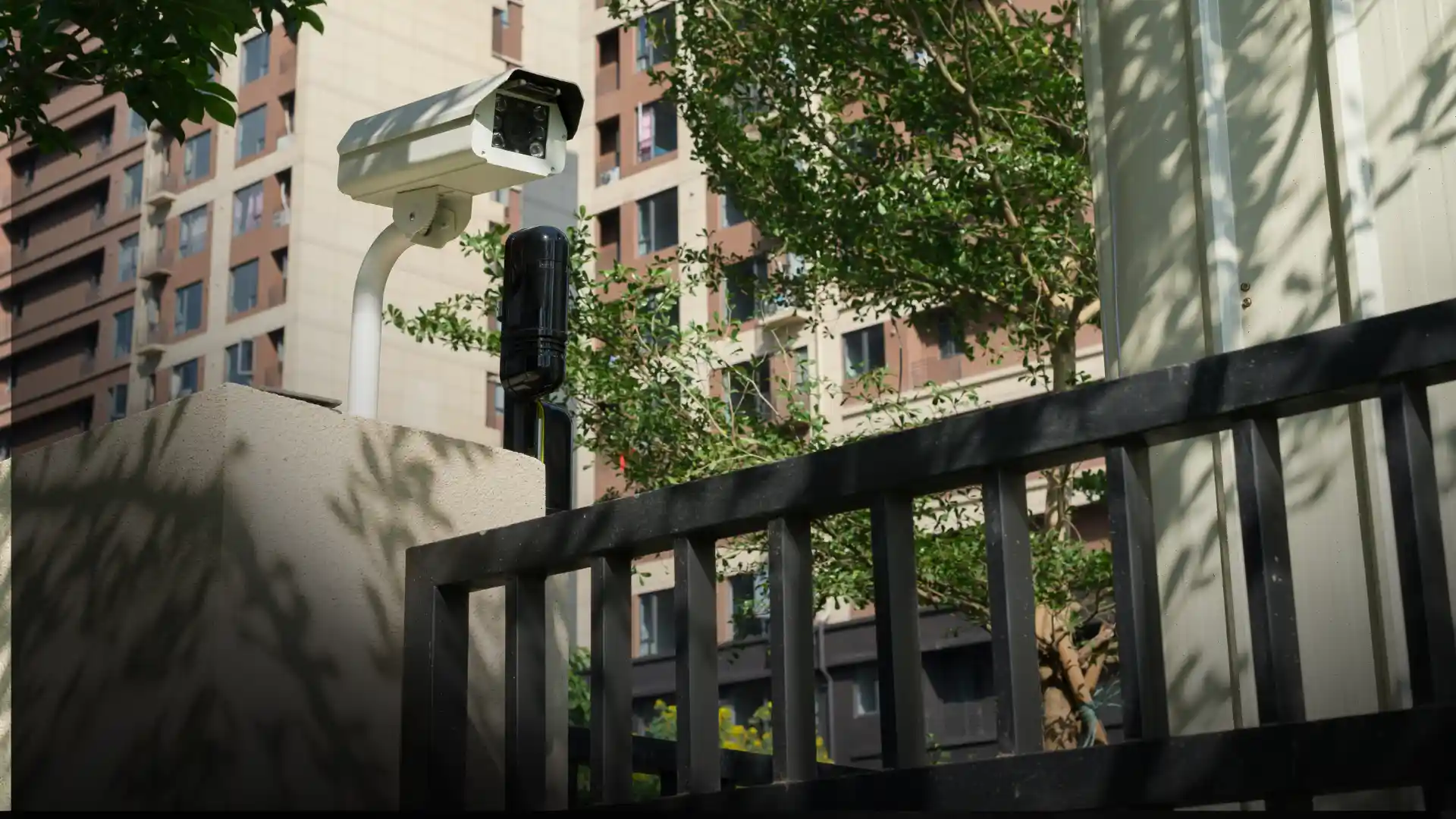
Identifying the Most Profitable Clients for VSaaS: Industry Trends and the Telecom Evolution
The Video Surveillance as a Service (VSaaS) market is moving into a highly dynamic phase of the cloud economy. With projections reaching $10 billion by 2035 and a consistent 13% annual growth rate, the industry has shifted its focus. It is no longer just about cameras; the focus is now on data, intelligence, and scalable digital services.
What makes this market especially interesting is the dual force behind it. On one side, sectors like retail, infrastructure, and manufacturing are driving demand. On the other, telecom operators and ISPs are emerging as the primary enablers and owners of VSaaS delivery models. The VAS platforms like Aipix sit at this intersection, helping telecoms transform surveillance into a scalable, revenue generating service.

Commercial Sector: Where Video Becomes Measurable Business Value
Finding the Right Clients for VSaaS
The commercial segment leads the market with 34% of all VSaaS deployments. Its real importance lies in how it redefines the purpose of surveillance. Traditionally, cameras in retail or banking environments were reactive tools used mainly for reviewing incidents. Today, they are proactive assets that influence day to day business decisions.
More than 54% of retail businesses using VSaaS now rely on AI driven analytics to understand customer behavior. This includes tracking footfall, analyzing movement patterns, and identifying bottlenecks in store layouts.
What is Driving Adoption?
- 61% of installations come from retail, banking, and hospitality
- 54% of retailers use AI video analytics for customer behavior insights
- 33% faster incident response through centralized monitoring
- 19% reduction in security staffing costs
Retailers are no longer just preventing theft. They are analyzing customer movement patterns, dwell time in aisles, and queue lengths to improve service efficiency. This means surveillance is now tied directly to revenue optimization rather than just loss prevention.
Infrastructure and Smart Cities: Scaling to Entire Ecosystems
Infrastructure is the second largest segment, contributing 26% of global VSaaS deployments. This is where surveillance moves beyond individual organizations and becomes part of city wide digital infrastructure. With more than 320 smart cities worldwide, VSaaS is now embedded into transport systems, utilities, and public safety networks.
The Numbers Behind the Growth
- 320+ smart cities worldwide integrating VSaaS
- 48% of infrastructure usage in airports and railways
- 21% improvement in operational efficiency via real time monitoring
- 25% reduction in system downtime with IoT integrated analytics
Unlike commercial use, infrastructure surveillance is mission critical and highly distributed. Real time video analytics has improved operational efficiency by over 20% in transport systems, while IoT integrated surveillance has reduced downtime by roughly 25%. With 5G now covering nearly 80% of urban populations, telecom operators are essential partners in these deployments.
Residential: The Shift to Subscription Based Security
The residential segment currently holds a 14% market share and is undergoing a transformation driven by consumer expectations. Home surveillance is becoming part of a broader connected home experience rather than a standalone device.
Key Adoption Metrics
- 72% of new installations are cloud connected
- 63% include AI powered motion detection
- 44% growth in mobile based remote access
- 27% increase in subscription based services
Consumers are moving away from one time hardware purchases toward recurring subscription models. This aligns perfectly with existing telecom business models, making residential VSaaS a natural extension of broadband and mobile services. By leveraging VSaaS platforms like Aipix, ISPs can quickly deploy white label home security solutions and bundle them with connectivity packages.
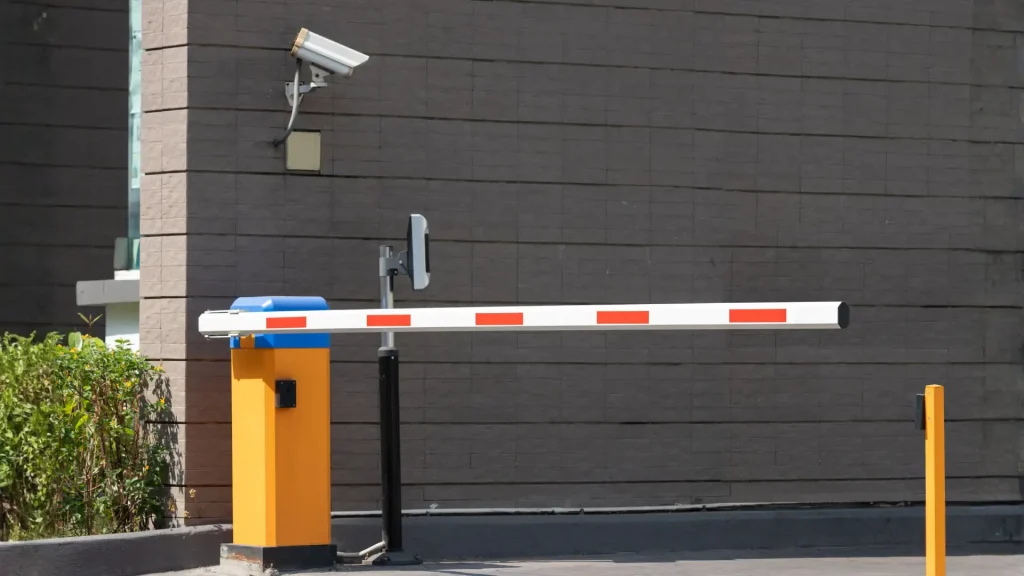
Military and Defense: Security Meets Advanced Analytics
The military and defense sector represents about 10% of the market. These deployments demand the highest levels of reliability and performance. Hybrid VSaaS models are dominant here, allowing organizations to combine on premise data control with cloud based analytics. This ensures compliance with strict regulations while enabling scalability.
Key Data Points
- 120+ defense agencies use VSaaS globally
- 36% reduction in false alarms via AI detection
- 98% encryption reliability in hybrid systems
- 24% growth in mobile surveillance units
Artificial intelligence is a major driver in this segment. With over two thirds of new systems incorporating recognition technologies, defense organizations use VSaaS for real time threat detection and situational awareness.
Industrial Sector: Turning Video into Operational Intelligence
Although the industrial segment represents 7% of the market, it offers advanced use cases for VSaaS. In manufacturing and energy, video is used to optimize operations.
Critical Data Points
- 48% used in manufacturing environments
- 27% reduction in safety violations
- 19% improvement in fault detection
- 1.6 billion frames processed daily for monitoring
AI powered analytics help detect safety violations and monitor equipment performance to identify potential failures before they occur. These environments require high reliability, with uptime expectations often exceeding 99%. Consequently, many deployments rely on edge computing to process data locally while using the cloud for long term storage.
The Bigger Shift: Telecoms as the New Power Players
A clear pattern has emerged across these industries. While sectors like retail and infrastructure drive demand, the control of the VSaaS value chain is shifting toward telecom operators and ISPs.
Why Telecoms are Winning:
- 68% of enterprises prioritize cloud based analytics
- 46% growth in remote accessibility demand
- 42% of deployments are managed services
Telecom providers already have the infrastructure, customer relationships, and billing systems needed to capitalize on this demand. With platforms like Aipix, they can move quickly from connectivity providers to full service digital solution providers. VSaaS is no longer just a security solution; it is a core layer of digital transformation. The companies that define its future are those that can deliver it at scale and integrate it seamlessly into the modern digital economy.
Need to get more real-life examples? Or need a roadmap of getting first clients for go-to-market strategy? Contact us to get more insights on how to start selling VSaaS and where to find first clients for VSaaS as a telecom offering.
Get your "VAS & VSaaS Report 2025"
Leave your e-mail and we’ll send you the file





 EN
EN  ES
ES  FR
FR  PL
PL  PT
PT