

Capacity Middle East 2026. Enabling the Next Phase of Growth for Telecom and ISPs
Aipix at Capacity Middle East 2026: Driving Innovation in Telecom and ISP Solutions
Aipix at Capacity Middle East 2026: Driving Innovation in Telecom and ISP Solutions
Capacité Moyen-Orient 2026 in Dubai marked a significant milestone for the global telecom and digital infrastructure ecosystem. Let’s dive into telecom insights at Capacity Middle East this year.
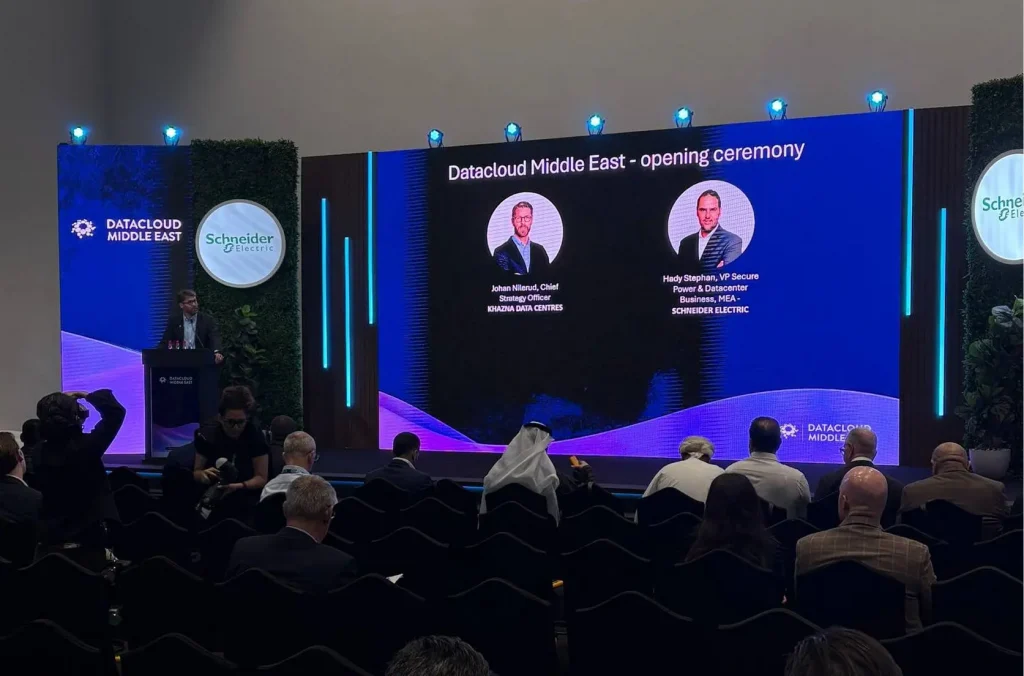
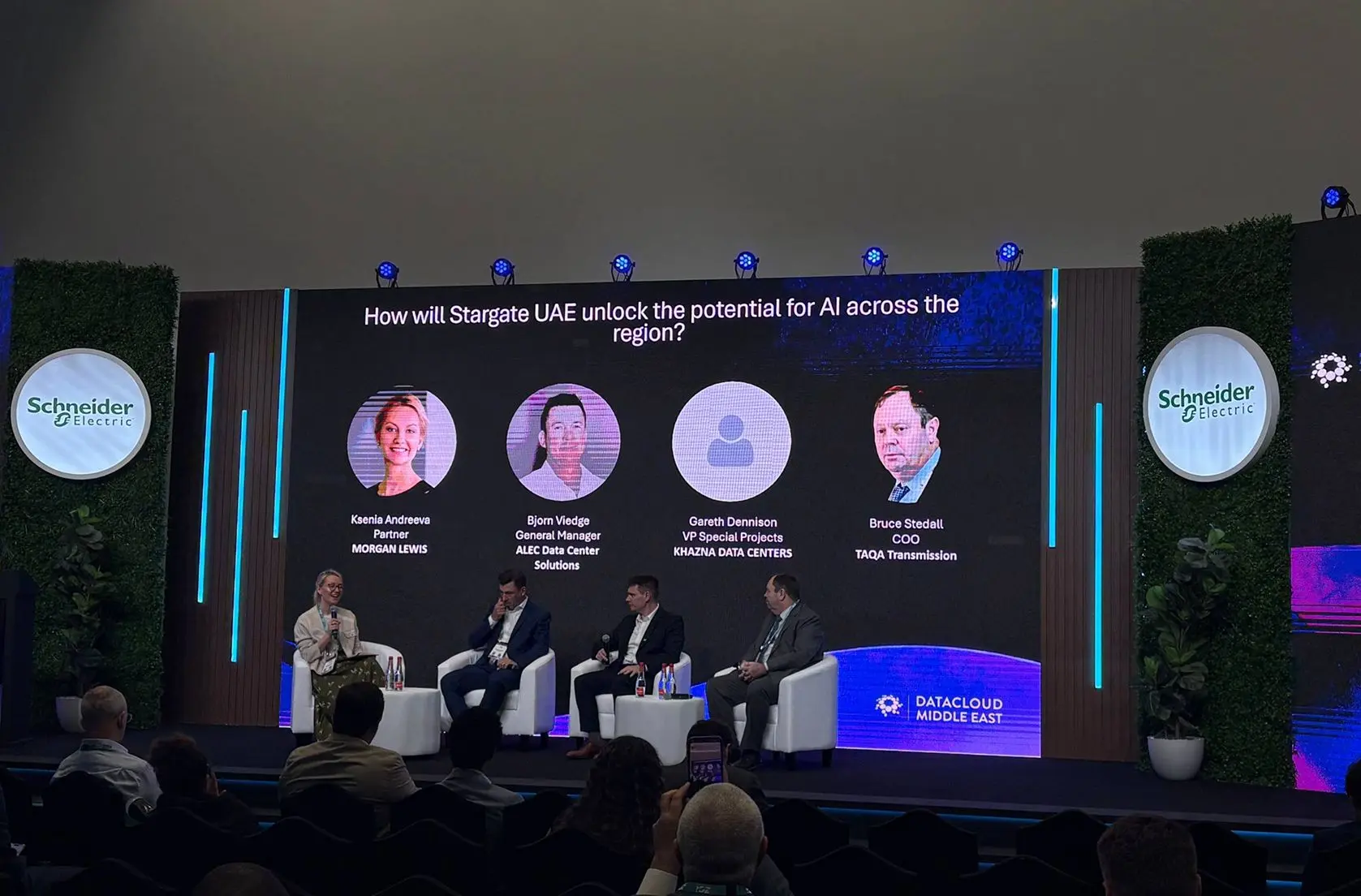
The Telecom industry event is hosted at the Grand Hyatt Dubai Conference & Exhibition Centre 9-12 February 2026. It once again confirmed its role as the leading regional platform for carriers, ISPs, data center operators, cloud providers, and technology innovators shaping the future of connectivity across the Middle East, Africa, and beyond.
For telecom operators and Internet Service Providers, Capacity Middle East is far more than a networking event. It is where strategic decisions are influenced, long-term partnerships are initiated, and the direction of infrastructure investments for the coming years is discussed in depth.
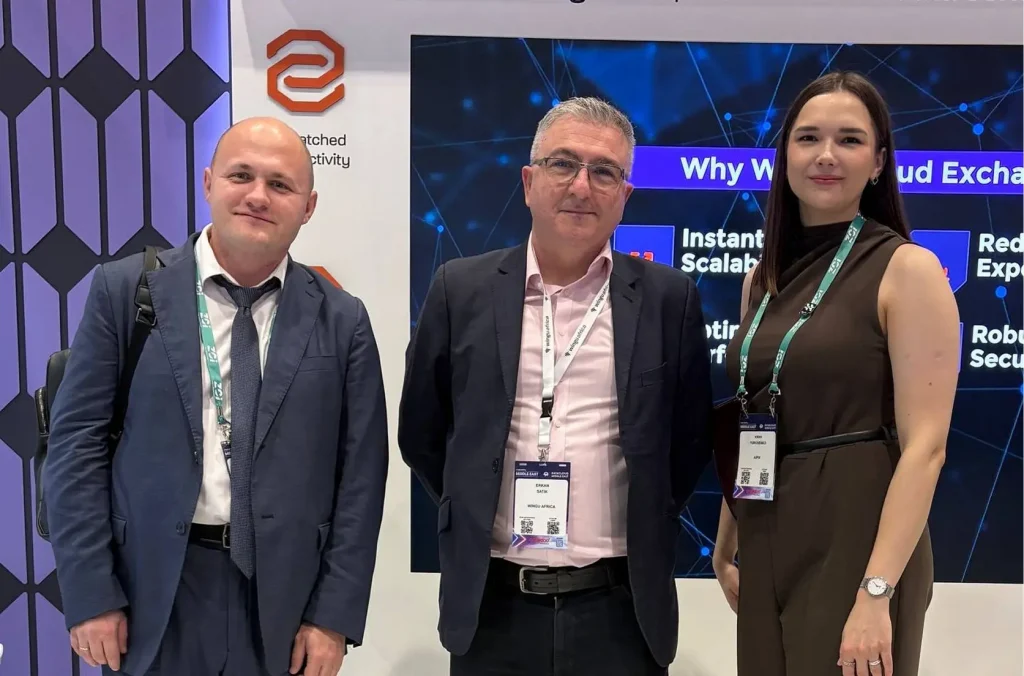
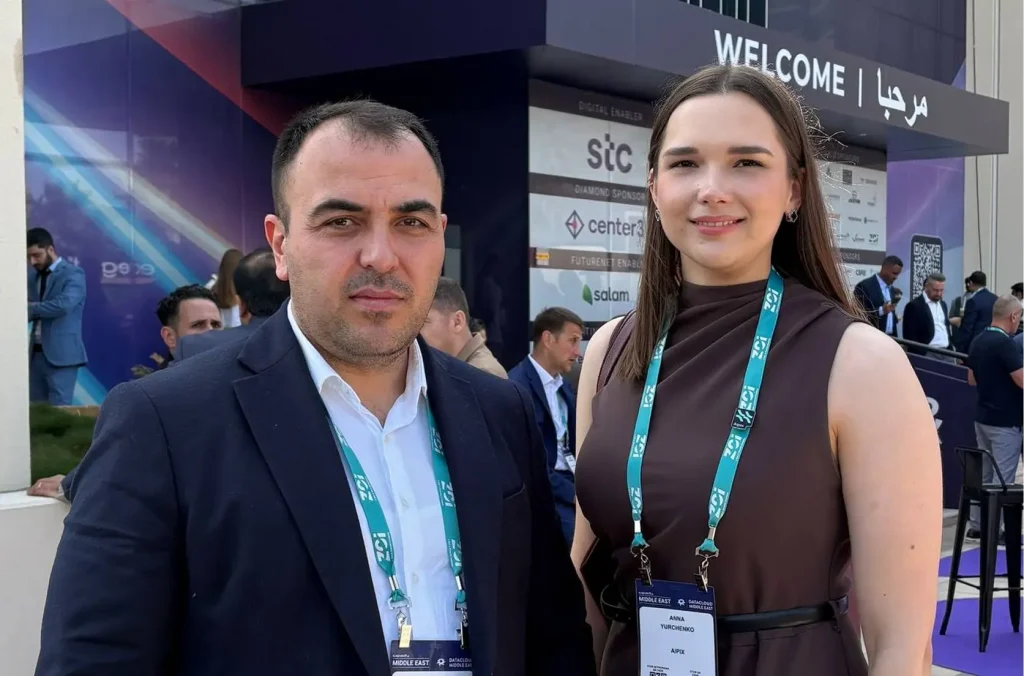
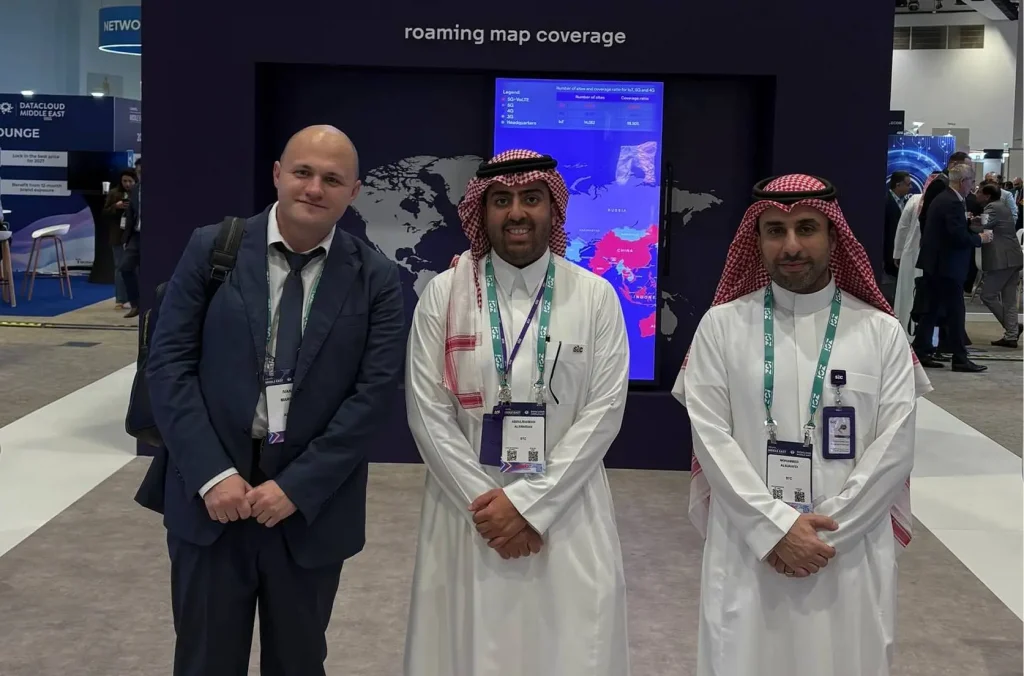
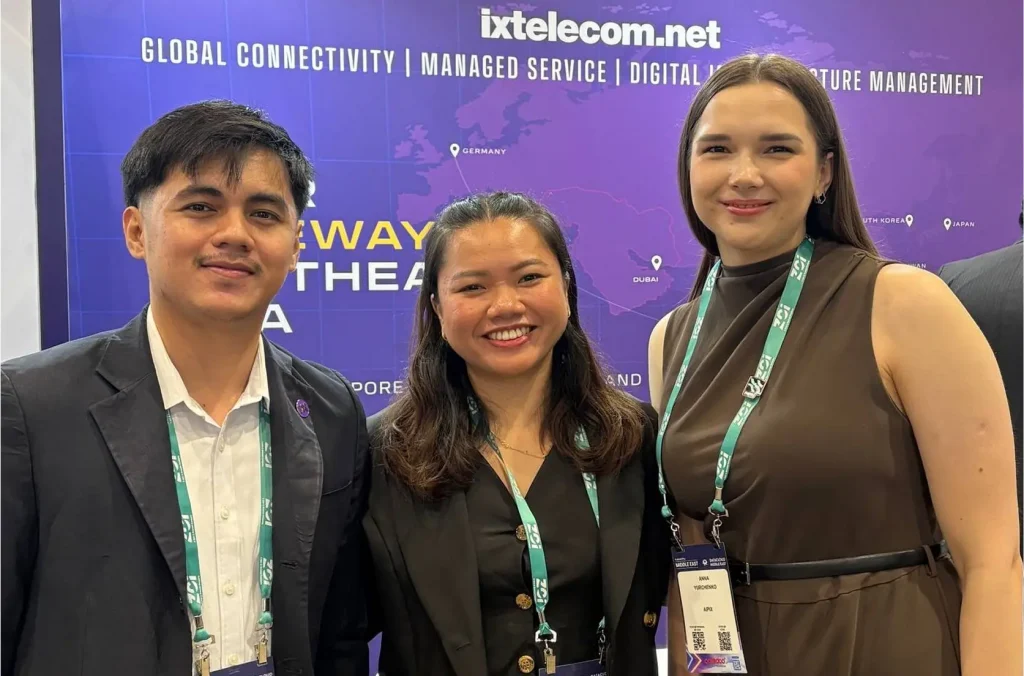
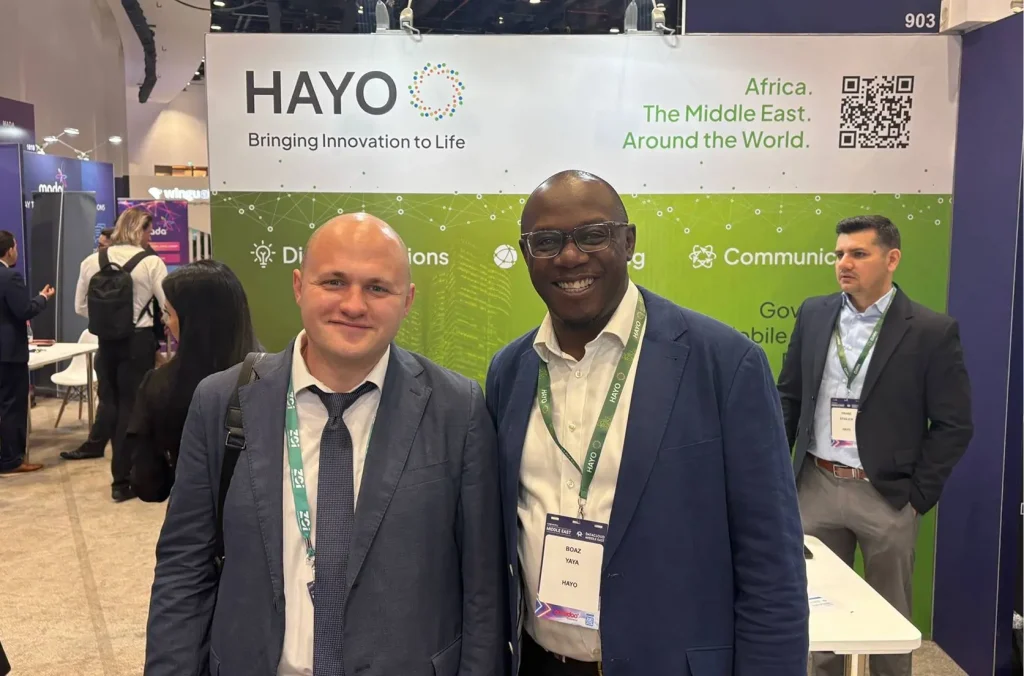
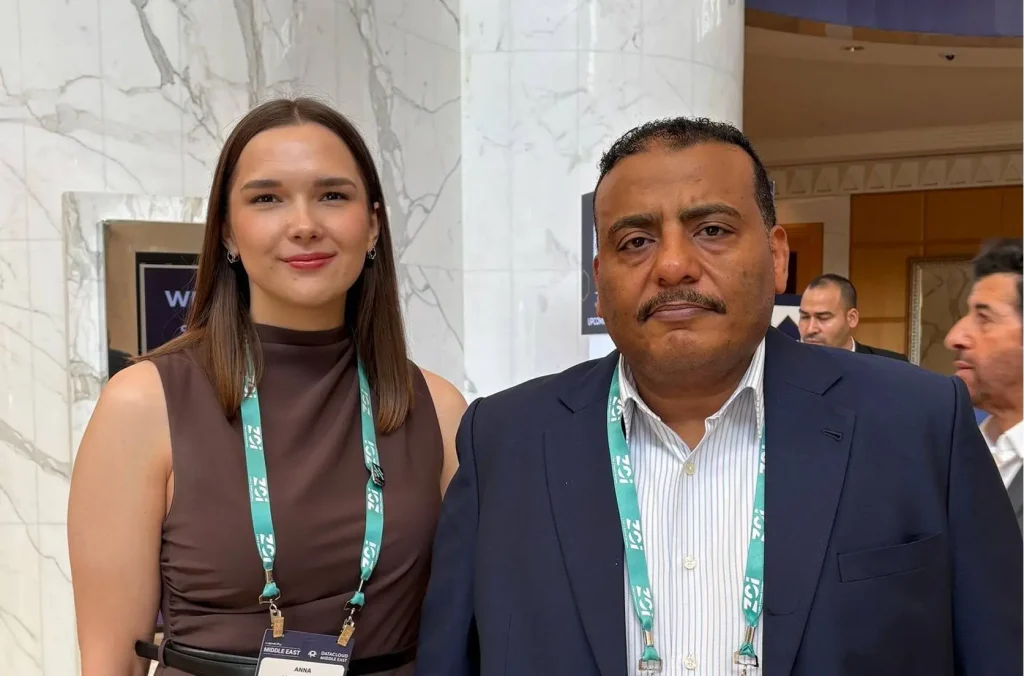
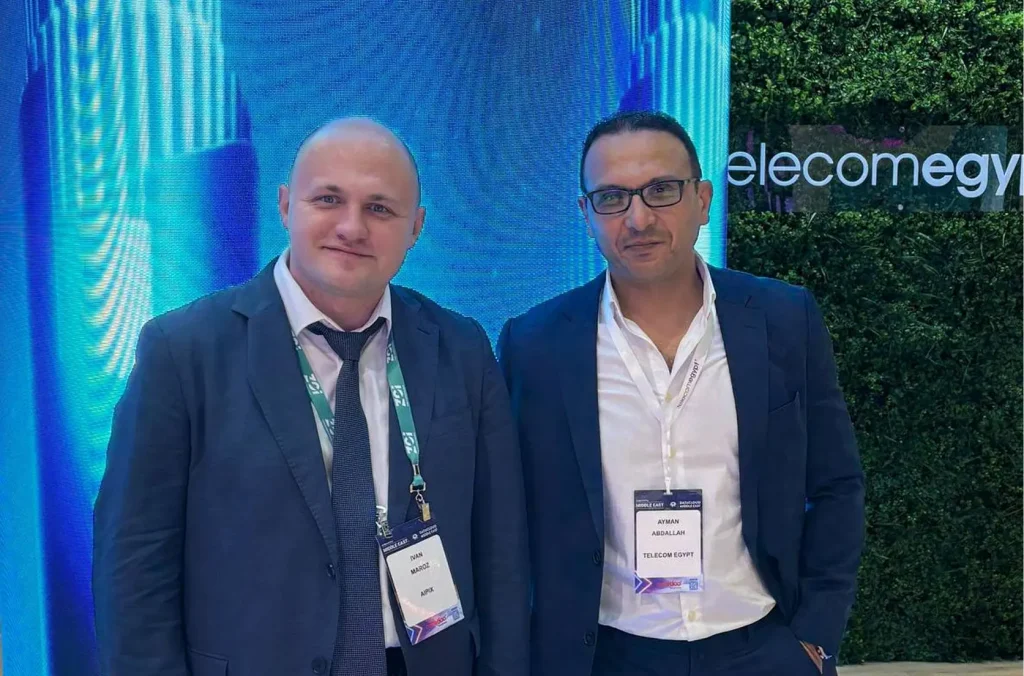
The Aipix team, represented by Anna Iourtchenko, Regional Sales Director for MEA and Asia, and Ivan Moroz, Business Development Director for MEA, was present at the epicenter of the telecom industry dialogue. Through both informal conversations with partners and strategic meetings with key telecom operators, the team focused on building strong relationships and gaining first-hand insight into the real priorities and demands of telecom stakeholders across the region.
Why Capacity Middle East 2026 Matters for Telecom Operators and ISPs
The Region’s Most Influential Connectivity Marketplace
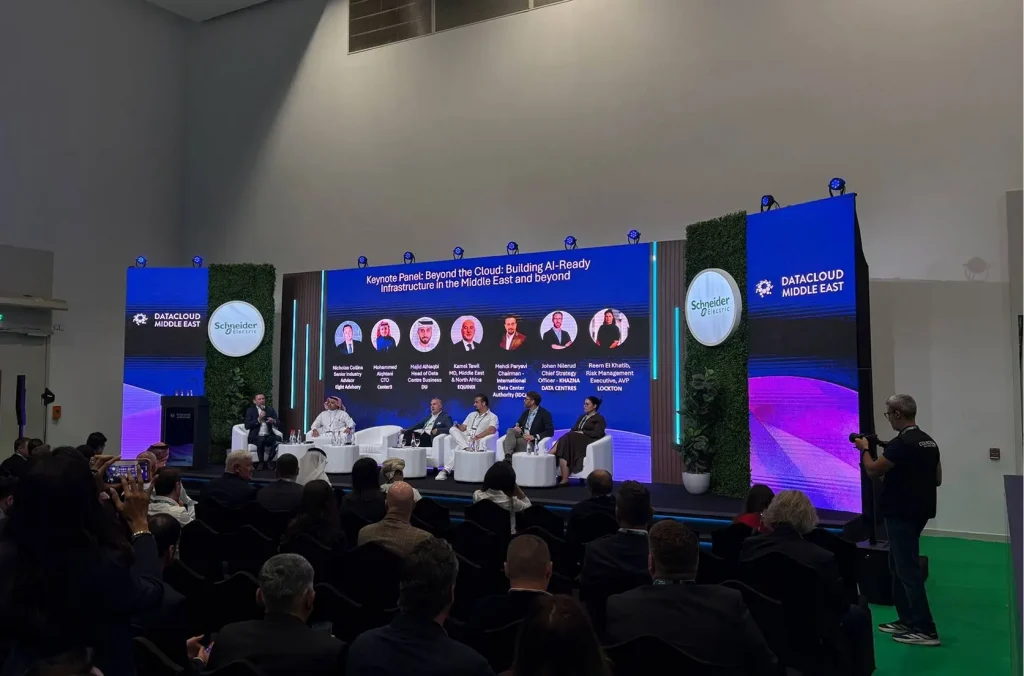
Capacity Middle East has evolved into the most influential meeting point for the wholesale telecom and digital infrastructure industry in MENA. The event brings together more than 1000 senior executives all over the world. Their focus was the telecom industry shift who experienced rapid transformation from traditional network operations to full digital service delivery.
The main value of this event for ISPs and telecom operators stems from its concentration on solving actual business problems. Among them there are network traffic expansion, profit reduction, service innovation and network evolution revenue generation.
Key Industry Themes Shaping Operator Strategy
The agenda features several strategic themes. They sound throughout all panels, closed-door meetings and casual discussions.
- Monetization beyond connectivity in a highly competitive market.
- AI-driven technologies and opportunities that can be transmitted via fiber and wireless connection.
- Edge computing and cloud integration for low-latency services.
- Infrastructure readiness for smart cities and digital governments.
- Value-Added Service and transforming of the role of national telecom operators.
- New wholesale and enterprise revenue models.
These topics are especially relevant for operators and ISPs planning their roadmaps toward the next decade and beyond. All of them join around customer expectations and shift toward integrated, intelligent, and service-rich digital experiences.
Why the MENA Region Is a Strategic Focus
Smart Cities as a Core Growth Driver
One of the most important insights reinforced at Capacity Middle East 2026 is the central role of telecom operators and ISPs in enabling smart cities and smart living technologies across the MENA region.
The government together with private sector entities have dedicated substantial funds to build digital infrastructure. It serves as a vital base for economic transformation, better urban operations and enhanced living standards. Video data and AI-powered services now are essential elements. They drive the operation of contemporary urban spaces through their integration with public safety platforms, connected residential and commercial developments. Telecom operators have the ability to provide these services to large numbers of customers.
Alignment with Regional Digital Transformation Agendas
The MENA region’s digital transformation vector is clearly defined:
- Expansion of high-capacity fiber and 5G networks.
- Cloud-first and edge-enabled service architectures.
- Data-driven decision-making for cities and enterprises.
- Secure, scalable VAS platforms for digital services.
For ISPs and carriers, these telecom trends create a strong demand for telecom-oriented VAS-platforms, like Aipix, that can be quickly deployed, easily integrated, and monetized through existing subscriber and enterprise relationships.
How Aipix VAS Approach Responds to These Industry Challenges
Aipix as a leading VAS software developer enables telecom operators and ISPs to transform their basic connection services into digital service offerings which they can expand.
The Aipix VSaaS platform allows operators to implement cloud video and AI-based services through carrier-grade deployment. The main advantage of Aipix solution is that it supports telecom current OSS/BSS systems and network infrastructure. Aipix provides smart city, enterprise and residential applications through its cloud-native and edge-ready fundament aimed at fast deployment and easy operational management.
The Aipix cloud VMS allows operators to achieve higher ROI with minimum investment. Moreover, to develop and scale unique services which support both national smart city development and digital transformation initiatives across the MENA region.
What This Means for Telecom Operators and ISPs by 2030
Looking ahead, the discussions and trends highlighted at Capacity Middle East 2026 point to a clear reality: operators who succeed will be those who evolve into digital service enablers. Not just connectivity providers.
Key takeaways for telecom and ISP decision-makers include:
- Value-added services will be essential to sustain ARPU growth.
- Video-based services will play a critical role in smart city, enterprise, and residential use cases.
- AI and automation will be necessary to manage complexity and scale efficiently.
- Platforms must be flexible enough to adapt to regulatory, technological, and market changes.
Capacity Middle East in Dubai continues to serve as a strategic compass for telcos navigating this transition, offering both regional context and global perspective.
Réflexions finales
The 2026 edition of Capacity Middle East proved that Dubai continues to serve as a worldwide center for telecommunications progress and digital infrastructure partnership development.
The event demonstrated to telecom operators and ISPs that their network development should support their service development, smart city initiatives and digital transformation plans.
The discussions begun at this location will determine how the industry develops its future.
If you are a telecom operator or ISP exploring new service models, smart city opportunities, or value-added services-based growth strategies, now is the time to connect and move towards.
Ask for a personal VAS implementation plan from our regional representatives or fill the form below.




 FR
FR  EN
EN  ES
ES  PL
PL  PT
PT