


Why Telecom Providers and ISPs Are Redefining VSaaS Deployment Approach in the new era of Digital Sovereignty
By 2026, big changes are coming to how telecom operators and internet service providers design, deliver, and secure their digital services. This means having the power to make decisions about how digital services are run, without relying on others. It’s a big shift, and it’s happening because the industry needs to protect itself and its customers from cyber attacks, follow new rules, and give customers what they want. All this is pushing the industry toward one clear priority: digital sovereignty.
At the center of this shift is a critical question: Where should sensitive data of subscribers and business-clients live and who should control it? How to preserve it inside the country?
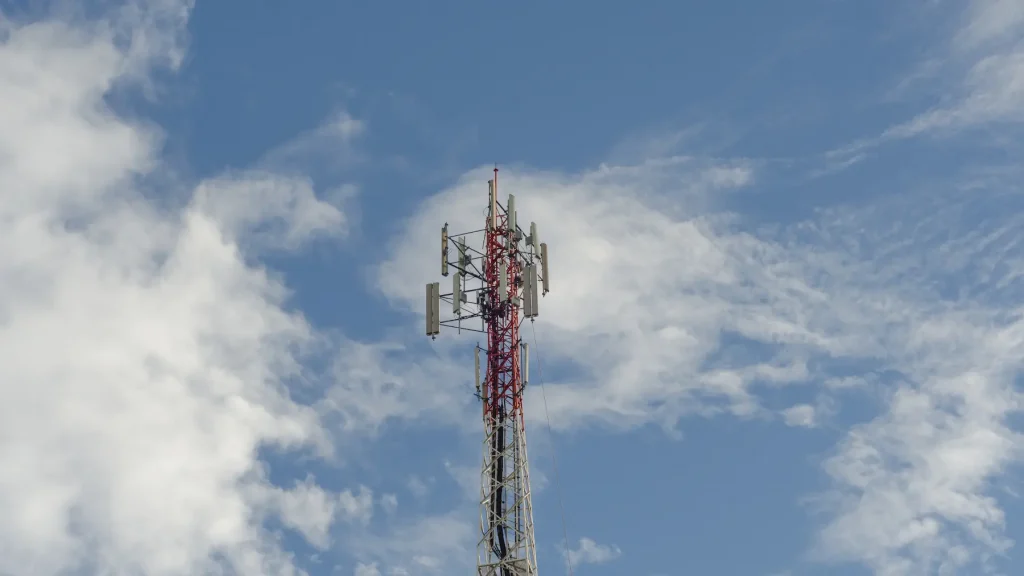
The Growing Pressure on Telecom Infrastructure
Telecom networks today are no longer just connectivity providers. They serve as the backbone for:
- Enterprise services
- Cloud service providers (Data Center Providers)
- Cybersecurity network
- Ciudad inteligente infrastructure
- Video surveillance and cloud access control ecosystems
- IoT deployments
This growth greatly boosts the sensitivity of our data, gives us more control over our digital presence as a nation, and also makes us more vulnerable to cyber attacks.
Several widely cited industry figures highlight the scale of the challenge:
- The global average cost of a data breach is often reported above $4.5M.
- Telecom infrastructure is frequently categorized among high-value cyberattack targets.
- Service downtime in telecom environments can lead to substantial financial losses per hour, though exact figures vary by operator and region.
What is verifiable so there is the tendency: the risk of exposure is increasing while tolerance for failure is decreasing.
At the same time, regulatory frameworks such as GDPR and various national data localization laws impose strict requirements on:
- Data residency
- Data processing transparency
- Cross-border data transfers
Why Digital Sovereignty Matters Nowadays and Why Telecom can Ahead this Transformation
Digital sovereignty is not just a policy concept, it is becoming an operational requirement. For the nation, significant information and providers has become a crucial requirement.
For telecoms and ISPs, it means:
- Full control over infrastructure and data flows
- Clear visibility into where data is stored and processed
- Independence from external jurisdictions or cloud dependencies
This is particularly important when providing services like Video Surveillance as a Service and other value-added services such as cloud-based access control, data storage, and video analytics, where the data is highly sensitive and often crucial to operations.

The Case for On-Premise VSaaS
While public cloud-based VSaaS platforms offer scalability, they introduce challenges around control, compliance, and resilience. An on-premise VSaaS model, like we implement in Aipix Cloud VSaaS platform architecture, addresses these challenges directly.
Advantages of on-prem VSaaS deployment and running
1. Regulatory Compliance by Design
Keeping video data within national or organizational boundaries simplifies compliance with:
- Data localization laws
- Industry-specific regulations
- National security requirements
Instead of adapting to regulations, operators build compliance into the architecture.
2. Reduced Attack Surface
When sensitive video data:
- Does not leave the local environment
- Is not transmitted across borders
- Is not stored in third-party cloud infrastructure
So that the number of potential attack vectors decreases significantly. This is a structural security advantage that can be the main competitive advantages while getting business clients for VSaaS. In Aipix it’s a base, not just a configuration choice.
3. Operational Resilience
Cloud dependency introduces risks tied to:
- External outages
- Connectivity disruptions
- Geopolitical instability
On-premise deployment ensures that:
- Services remain operational during external failures
- Critical surveillance systems are not impacted by third-party downtime
For telecom operators, this translates into greater SLA reliability and customer trust. According to this telecom can easily monetize this benefit in operating with municipal and large enterprise environments and projects.
Digital sovereignty – is the foundation in a new era of international cooperation

4. Cost Efficiency at Scale
Local processing and storage can significantly reduce:
- Outbound bandwidth usage
- Cloud storage costs
- Latency-related inefficiencies
Estimates often suggest outbound traffic reductions in the 60–80% range, but exact savings depend on architecture and usage patterns.
5. Customer Trust and Transparency
Enterprise customers increasingly demand:
- Visibility into data location
- Control over access and ownership
- Assurance against foreign jurisdiction exposure
Surveys frequently indicate a strong preference for locally controlled data environments, though exact percentages vary by study.
VSaaS as a Strategic Revenue Driver
For telecoms and ISPs, VSaaS is not just a technical offering for portfolio expansion. Due to its wide range of implementation industries, high-margin potential and demand, it is a growth opportunity.
However, success depends on:
- Fast deployment
- Low upfront investment
- Strong differentiation in security and compliance
This is where on-premise models become especially attractive.

How Aipix Enables On-Premise VSaaS Deployment
With the right platform, on-premise VSaaS does not require heavy infrastructure overhaul.
Aipix enables telecom operators and ISPs to:
- Leverage existing infrastructure without the need for large-scale hardware investments
- Deploy quickly (in 7 days) and accelerate time-to-market for new services
- Maintain full data control, that aligning with digital sovereignty requirements
- Scale flexibly supporting both B2C, SMB and enterprise customers
- Generate revenue faster by monetizing VSaaS with minimal delay
This approach of Aipix transforms traditional Cloud CCTV and VSaaS in telecom from a complex integration project into a ready-to-deploy service layer with free PoC opportunities.
The Strategic Shift Ahead
The move toward digital sovereignty is not temporary. Today it’s a trend. It reflects a deeper transformation in how telecom services are designed and delivered.
For decision-makers, the implications are clear:
- Cloud-first is no longer always the default
- Control and compliance are becoming competitive advantages
- Infrastructure strategy directly impacts revenue potential
On-premise VSaaS is emerging as a practical and scalable response to these challenges, combining security, efficiency, and business agility.
Pensamiento final
As cyber risks intensify and regulations tighten, telecoms and ISPs must rethink not just what services they offer, but how those services are delivered.
In this environment, owning the infrastructure means owning the future.
And telecom companies that focus on nation-wide growth should take it in the first line, consult our VSaaS experts on how to launch and run it properly!
Consigue tu "Informe VAS y VSaaS 2025"
Deja tu e-mail y te enviaremos el archivo




 ES
ES  EN
EN  FR
FR  PL
PL  PT
PT