

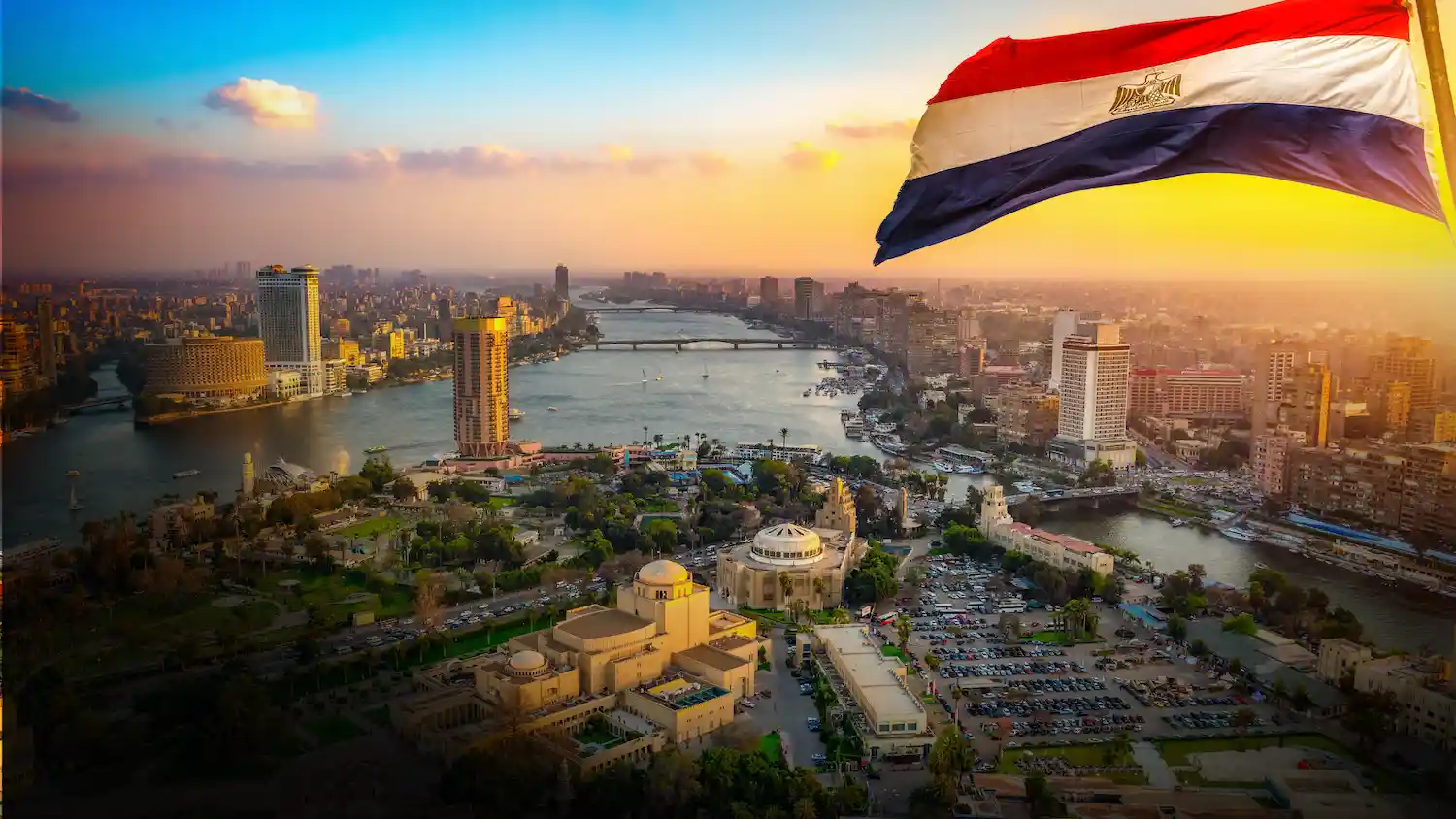
La transformación de TechCo. Charla de expertos sobre la redefinición de los modelos de negocio de telecomunicaciones en la región MENA.
El año 2026 se considera un año crucial en la historia del desarrollo digital y la transformación de las telecomunicaciones de Egipto y, por extensión, de la región MENA.
Egipto ya no puede considerarse una mera ruta de tránsito para la fibra submarina que transporta datos globales. Más bien, se está consolidando como un centro de datos para la computación de alto rendimiento y la inteligencia artificial, así como un lugar privilegiado para la gestión de datos soberanos. Tras años de experiencia con la iniciativa Egipto Digital 2030, el debate sobre este tema ha evolucionado desde la conectividad y la economía digital hacia un enfoque más serio y estratégico, centrado en la seguridad nacional, los monopolios y su impacto en la economía.
La economía digital tiene un sistema nervioso que debe comprenderse y desarrollarse. En este episodio, la discusión gira en torno a la infraestructura de la economía digital y profundiza en los detalles de la concentración geográfica del clúster de centros de datos del Gran Cairo, así como en la necesidad de dispersar algunos de estos centros en el Alto Egipto y el Delta para satisfacer las necesidades estratégicas de la época.
Nos reunimos con Ahmed El Sobky, director ejecutivo de ACACIA Integration GmbH (Alemania), miembro electo de la junta directiva de la Cámara de Industria de Tecnologías de la Información y la Comunicación, abordará las distintas capas de la infraestructura de la economía digital para comprender su lógica subyacente. Nuestra sesión busca explorar cómo la adopción de iniciativas de TI finalmente está trascendiendo las TI tradicionales, permitiendo a Egipto romper con los esquemas no competitivos y convertirse en una nación más innovadora, estable y con mayor soberanía digital.
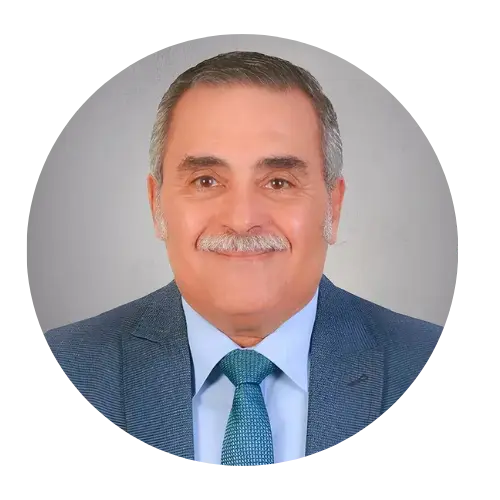
El Sr. Ahmed El Sobky es miembro electo de la junta directiva de la Cámara de Industria de Tecnologías de la Información y la Comunicación, dependiente del Ministerio de Comunicaciones y Tecnologías de la Información (MCIT) de Egipto. Con más de 30 años de experiencia en el sector de las TIC, lidera el desarrollo del mercado de las TIC y la creación de nuevos parques tecnológicos en Egipto.
Ahmed El Sobky también es miembro del Grupo de Trabajo de Seguridad de Internet de la Academia de Investigación Científica y Tecnología y contribuyó a la redacción de la Ley de Seguridad Cibernética de Egipto.
Introducción
Anastasiya: ¡Hola a todos! Episodio del podcast donde profundizaremos en el panorama de las telecomunicaciones de Mana y del CCG, con especial atención a las tendencias en el desarrollo de infraestructura, la adopción de tecnología y el desarrollo empresarial. Para desvelar todo lo mencionado, nos acompaña... El experto especial Ahmed ElSobky, con un profundo conocimiento en el campo de la innovación tecnológica, el director ejecutivo de ACACIA Integration, Miembro electo de la junta directiva de la Cámara de Industria de Tecnologías de la Información y la Comunicación. Saludos. Muchas gracias por acompañarnos hoy.
Ahmed: Muchas gracias. Gracias por invitarme.
Anastasiya: Es un placer tenerte aquí. Nos acompaña también nuestro experto, Iván Moroz, quien posee una amplia experiencia en transformación digital. Aporta una profunda experiencia ayudando a las telecomunicaciones y a los proveedores de servicios de internet (ISP) a construir ecosistemas de servicios más inteligentes y conectados. Para asegurarnos de ir directamente al grano, pasemos directamente a las preguntas. Primero, ¿podría ofrecernos una breve descripción general del sector de TI? ¿Cómo ha... Panorama de las TIC en la región MENA ¿Cómo han evolucionado las regiones del CCG en los últimos cinco a diez años? Sabemos que ha sido un período marcado por hitos importantes; quizás también podría compartir cómo usted y su equipo participaron en este proceso.
Ahmed: Muchas gracias. Permítanme decir que nuestra zona ha dependido de las TIC durante mucho tiempo. Existen numerosos programas de transformación digital en todo el mundo árabe, Oriente Medio y África (MEA) y el CCG. El mercado comenzó a cambiar de servicios básicos a servicios de valor añadido en los últimos cinco a diez años, por lo que hemos comenzado a invertir fuertemente en TI. Estos proyectos a gran escala están impulsados por el gobierno. Hay una gran adopción de aplicaciones de inteligencia artificial, junto con herramientas 5G para expandir la cobertura móvil a todo el país. También nos centramos en crear un ecosistema sólido para startups y en forjar alianzas tecnológicas con proveedores de todo el mundo. Esto es, en resumen, lo que ha sucedido durante la última década.
Liderazgo gubernamental: el catalizador para la adopción nacional de TI
Anastasiya: También mencionó iniciativas gubernamentales. ¿Desempeñaron un papel fundamental en el desarrollo y la adopción de todos estos servicios tecnológicos? Y en cuanto a las alianzas con empresas tecnológicas, ¿tienen un papel principal? Me interesa saber exactamente cómo impactan en el sector de TI en general.
Ahmed: Los gobiernos de todo el mundo son los mayores consumidores de cualquier tecnología, no solo de las TIC. En nuestra región, son los propietarios de la principal infraestructura de TIC. Esto significa que los principales operadores de telecomunicaciones son totalmente estatales o son empresas conjuntas entre el gobierno y proveedores del sector privado. Por lo tanto, los gobiernos son clave para la transformación digital en nuestra región. Ahora son los clientes clave de las soluciones de TI, pasando de... Proyectos sencillos para modelos de valor añadido "como servicio".
La mayoría de los gobiernos están planificando las TIC como servicio en diversas aplicaciones y dependen de la nube. Por ello, muchos países están estableciendo sus propios centros de datos o centros en la nube, a menudo con proveedores de servicios internacionales. Además de usar IA, están invirtiendo fuertemente en ciberseguridad para proteger estos sistemas. También están fortaleciendo el ecosistema invirtiendo en recursos humanos, ya que no se pueden realizar grandes proyectos sin el talento para gestionarlos. Ese es, en resumen, el papel de los gobiernos hoy en día.
Anastasiya: El papel del gobierno es fundamental y, como mencionaste, tendencias como la IA y los servicios de valor añadido impulsan el avance de toda la industria. Pero, específicamente para los próximos años, ¿cuáles son los principales objetivos de las telecomunicaciones y los proveedores de servicios de internet (ISP)? De todas estas tendencias, ¿cuáles están priorizando al planificar el futuro?
Ahmed: Creo que las redes impulsadas por IA, que reducen costos y permiten operaciones inteligentes, serán una de las tendencias más importantes. Además, las plataformas de servicios digitales transformarán a los operadores en socios digitales estratégicos. Necesitamos desarrollar infraestructura para soportar el aumento del tráfico y las demandas de calidad, y servicios de análisis para generar nuevos ingresos a partir del análisis de datos. La modernización de la red, que elimina tecnología obsoleta para mejorar la eficiencia, también es clave. La conectividad híbrida, mediante satélite e inalámbrica, ampliará la cobertura del servicio en toda la región. Dado que gran parte del mundo árabe es desértica, la conectividad por cable a menudo no es rentable, lo que convierte al satélite en una excelente solución. El 5G impulsará esto ampliamente; de hecho, Egipto finalizó las licencias 5G para sus cuatro operadores móviles la semana pasada. Algunos países incluso se están preparando para la era del 6G. Acabamos de comenzar con el 5G, pero otros ya están planificando su incorporación para asegurarse de que puedan hacer frente a la próxima ola de innovación.
La Fundación: Egipto como puerta de entrada digital global
Iván: Señor Ahmed, hace poco me enteré de la Gran evento de IA en Egipto – AI Everything MEA. ¿Podría compartir algunas ideas sobre lo que significó ese evento para la región? ¿Se está posicionando Egipto como un centro clave para la inteligencia artificial? Me sorprendió porque parecía ser el primer evento de este tipo a esta escala. ¿Significa esto que el gobierno está listo para empezar a implementar soluciones basadas en IA en sus propios departamentos y servicios?
Ahmed: Egipto es líder regional en capital humano para el sector de las TIC, prestando servicios no solo en Oriente Medio, sino también en Europa y el Mediterráneo Sur. Nuestras universidades gradúan aproximadamente entre 50.000 y 60.000 especialistas en TIC cada año en diversas disciplinas. Gracias a esta reserva de talento, Egipto se ha convertido en un centro estratégico para corporaciones multinacionales; muchos gigantes globales han establecido aquí sus centros de I+D y desarrollo en Oriente Medio.
Como resultado, una amplia gama de productos TIC ahora son originarios de Egipto. Algunos provienen de empresas egipcias locales, mientras que otros se originan en centros multinacionales de I+D. La ola de IA no es una excepción. Tomemos como ejemplo a la empresa francesa. Valeo, líder mundial en software automotriz; su centro de I+D en Egipto es una de sus dos instalaciones más grandes a nivel mundial, con más de 5000 programadores y desarrolladores. Dado que las aplicaciones para vehículos modernos dependen en gran medida de la inteligencia artificial, Egipto se encuentra en el corazón de la próxima generación de movilidad.
Precisamente por eso, GITEX eligió El Cairo para lanzar su primer evento Ai Everything MEA. Egipto cuenta con una sólida base de más de 3000 empresas de desarrollo de software, desde startups innovadoras hasta grandes corporaciones, todas ellas cada vez más centradas en soluciones basadas en IA. Creo que esto explica por qué Egipto es el punto de partida ideal para la revolución de la IA en la región.
Iván: Sí, lo entiendo. Eso significa que el gobierno egipcio también está preparado para nuevas tecnologías que involucren inteligencia artificial en un futuro próximo.
Ahmed: Sí, ya sé que el gobierno egipcio está listo. Sí, está listo. Estén lo suficientemente listos o no, pero el gobierno egipcio está esforzándose en ese sentido.
Anastasiya: Sí, me alegra mucho oír eso. De hecho, veo la correlación entre tantas tecnologías adoptadas en Egipto y su continuo desarrollo gracias a tantos profesionales que se han graduado y preparado para ello.
Ahmed: Sí. Nuestra riqueza está en los recursos humanos de Egipto, ya sea en las TIC o en cualquier otra disciplina.
La resiliencia de la infraestructura y el desafío energético de 2026
Anastasiya: Es fascinante observar una trayectoria tan sólida, pero como ocurre con cualquier evolución importante, existen desafíos inevitables. Me interesa especialmente cómo difieren estos obstáculos en las regiones MENA y GCC. Si bien comparten una visión amplia, ¿siguen siendo similares los desafíos para las telecomunicaciones y los proveedores de servicios de internet (ISP) en diferentes países, o existe una divergencia significativa entre, por ejemplo, un mercado de alta penetración como los Emiratos Árabes Unidos y una economía digital emergente como Egipto?
Ahmed: Uno de los desafíos más importantes que enfrenta la transformación digital a nivel mundial es la brecha digital. Esta brecha existe en todos los países, independientemente de su nivel de desarrollo; el verdadero problema es... relación de esa brecha. Siempre habrá una brecha entre quienes tienen alta alfabetización digital y quienes tienen menos.
En mi opinión, la brecha digital sigue siendo el desafío más crítico para nuestra región. Observamos una clara distinción entre las zonas urbanas y rurales, así como una brecha generacional entre los jóvenes y las personas mayores. Curiosamente, la brecha entre hombres y mujeres se está cerrando rápidamente; en mi opinión, esa brecha específica se ha vuelto prácticamente insignificante en nuestro sector hoy en día.
Después de la brecha digital, el segundo gran desafío es Ciberseguridad. Este es un problema mundial, agravado por la amplia disponibilidad de herramientas informáticas de doble uso. Debido a que estas herramientas son asequibles, pueden utilizarse tanto con fines constructivos como destructivos, lo que las convierte en un componente central de la guerra moderna.
En nuestra región, la ciberseguridad ya no es solo una amenaza del submundo criminal; es un elemento fundamental de una nueva metodología de guerra. Dado que Oriente Medio sigue siendo una de las zonas geopolíticamente más sensibles del mundo, grupos tanto formales como informales utilizan cada vez más los ciberataques como herramienta estratégica para desestabilizar o acosar a las naciones de la región. Esto convierte la ciberseguridad en una cuestión de seguridad nacional, no solo de gestión de TI.
Ese es el segundo desafío. El tercer desafío es la disponibilidad de recursos humanos, en concreto, la escasez y la lentitud con la que los profesionales recién cualificados se incorporan al mercado laboral. Este es un problema global, ya que los sistemas educativos a menudo tienen dificultades para seguir el ritmo de la rápida evolución de las TIC. En promedio, se tarda de tres a cuatro años en modificar o desarrollar un nuevo currículo académico. En ese mismo período, el sector de las TIC experimenta una transformación total, lo que genera un desajuste significativo entre las necesidades de la educación y las de la industria. Para superar esta brecha, debemos priorizar los programas de "vía rápida" y la planificación estratégica para garantizar que contamos con la fuerza laboral cualificada necesaria para impulsar nuestros proyectos de transformación digital.
La disponibilidad financiera sigue siendo un obstáculo importante para la transformación digital. Existe una clara disparidad fiscal en nuestra región; no todos los países cuentan con los superávits presupuestarios necesarios para impulsar con fuerza estas iniciativas. Más allá de la inversión inicial, debemos considerar los enormes costos operativos. A medida que implementemos centros de datos de alto consumo energético e impulsados por IA, nuestra demanda de electricidad se disparará.
Para sustentar esta infraestructura se requiere el establecimiento de nuevas centrales eléctricas, ya sean plantas tradicionales basadas en combustibles fósiles o de fuentes renovables como la eólica, la solar y la nuclear. Estos proyectos energéticos requieren una inversión masiva de capital. La pregunta que se plantea es si todos los países de la región MENA están preparados para tal compromiso financiero o si cuentan con una estrategia alternativa. En mi opinión, esta intersección entre las finanzas y la infraestructura energética es el mayor desafío para nuestro futuro digital.
Soberanía de datos y seguridad nacional
Anastasiya: Esto nos lleva a una pregunta muy específica pero crucial sobre la ciberseguridad. ¿Están los profesionales de telecomunicaciones e ISP de la región migrando a soluciones locales para servicios sensibles a los datos, o aún existe una preferencia por la nube pública? Dado el auge de las leyes de residencia de datos y la necesidad de entornos de "nube soberana" en 2026, ¿cómo están equilibrando la escalabilidad de las plataformas públicas con la seguridad de la infraestructura local? ¿Existe una preferencia clara, o estamos observando una tendencia hacia modelos híbridos?
Ahmed: En mi opinión, debemos diferenciar entre dos categorías principales de usuarios. Para el sector privado, especialmente en áreas no críticas como el comercio electrónico, almacenar datos en nubes públicas, incluso las alojadas fuera del país, es una práctica común. Sin embargo, cuando se trata de información sensible, las reglas cambian.
Para sectores como la banca, la salud y cualquier servicio financiero, así como para aplicaciones gubernamentales críticas que involucran datos de ciudadanos, los requisitos son mucho más estrictos. La mayoría de los países de nuestra región han establecido regulaciones que exigen el almacenamiento de estos datos. en el país. Por lo tanto, estas cargas de trabajo suelen alojarse localmente o en una "Nube Soberana del Gobierno" gestionada por organizaciones estatales. Esto garantiza que los datos más sensibles permanezcan bajo la jurisdicción nacional.
El cambio empresarial: de la conectividad a los servicios de valor añadido (VAS)
Iván: ¿Qué pasa con la videovigilancia? ¿Se aplican las mismas normas de residencia de datos? Sabemos que muchos países de Oriente Medio y Norte de África (MENA) y del CCG restringen la transferencia de datos de vigilancia fuera del país. ¿Cree que los proveedores pueden seguir utilizando nubes públicas, o el almacenamiento interno es ahora un requisito estricto para los proyectos VSaaS?
Ahmed: En mi opinión, la videovigilancia es extremadamente crítica y sensible. Estos sistemas proporcionan una gran cantidad de datos que van mucho más allá de las simples imágenes; ofrecen información sobre los patrones de tráfico, el volumen de vehículos e incluso el comportamiento de los conductores en una ciudad o un país.
Dado que esta información es vital para la seguridad nacional, la mayoría de los países exigen su almacenamiento local. De hecho, muchos gobiernos exigen que la gestión de estos datos recaiga exclusivamente en las autoridades nacionales. Las autoridades son cada vez más cautelosas con respecto al almacenamiento de esta inteligencia en el extranjero. Dado que el análisis de estos datos, desde la dinámica de las horas punta hasta las tendencias de comportamiento, se considera ahora un activo soberano que debe protegerse del acceso externo.
Iván: Recientemente hablé con Telecom Egypt en Capacity Middle East, y destacaron su importante centro de datos en la Ciudad Seis de Octubre. Actualmente, es el centro de datos internacional más grande del país. Al alojar a empresas globales como Amazon (AWS) y, potencialmente, a socios de infraestructura como Hikvision, están implementando eficazmente el modelo de alojamiento local que comentamos. Esta infraestructura garantiza que, incluso al utilizar plataformas globales, los datos permanezcan físicamente dentro de las fronteras de Egipto, cumpliendo así con los requisitos de seguridad nacional y las leyes locales de residencia de datos.
Ahmed: Si bien el Centro de Datos Regional (RDH) de Telecom Egipto es un referente, debemos reconocer que forma parte de un ecosistema más amplio, pero concentrado. Instalaciones importantes de Vodafone, Raya y... Centro GPX Tier 4 en New Cairo (una empresa conjunta vital para el sector financiero) forman el núcleo de nuestra capacidad actual.
Sin embargo, persiste un desafío estratégico. Casi toda esta infraestructura se concentra en el área metropolitana de El Cairo, desde el 6 de Octubre en el oeste hasta el Quinto Asentamiento en el este. Incluso el emblemático Centro de Nube Gubernamental, inaugurado en abril de 2024 en la carretera de Ain Sokhna, sigue vinculado a la región de la capital. Para que Egipto se desarrolle plenamente como centro digital, necesitamos expandir esta capacidad más allá de El Cairo para garantizar la redundancia regional y dar soporte a la alta demanda de centros de datos que requiere nuestra transformación digital.
De cara al futuro, Egipto debe superar el modelo del "Gran Cairo" y desarrollar centros de datos regionales en todo el país. Necesitamos una estrategia descentralizada con centros en el Alto Egipto y el Delta para equilibrar la carga y reducir la congestión de la red.
Esto es especialmente crítico a medida que avanzamos hacia las siguientes fases del Seguro Universal de Salud (SUS) Proyecto. A medida que este sistema se implementa en más gobernaciones, el gran volumen de datos confidenciales de pacientes y las aplicaciones médicas en tiempo real requerirán almacenamiento y procesamiento localizados. No podemos depender de una infraestructura centrada en El Cairo para dar servicio a un sistema de salud nacional; necesitamos centros de datos en cada ciudad regional importante para garantizar la baja latencia y la fiabilidad que exigen los servicios esenciales.
El cambio de paradigma: cómo ganar los mercados B2G y B2B
Iván: Por lo que puede ser una buena oportunidad de inversión para empresas internacionales.
Ahmed: En el caso de los proveedores internacionales, la estrategia es completamente diferente. Para las empresas globales, los centros de datos deben ubicarse cerca de las estaciones de amarre de cables submarinos, ya sea cerca de Alejandría, en el Mediterráneo, o a lo largo de la costa del Mar Rojo.
Egipto opera actualmente diez estaciones de aterrizaje, repartidas entre estas dos costas. Para aprovechar esto al máximo, necesitamos "Parques Internacionales de Centros de Datos" que actúen como nodos directos para estos cables. Esta era nuestra visión en 2017, cuando era presidente de Silicon Waha. Como el mayor operador de parques tecnológicos en Egipto, planificamos un parque internacional de centros de datos cerca de Alejandría precisamente para aprovechar esta ventaja geográfica. El posicionamiento de la infraestructura en estas cuatro puertas marítimas clave es la única manera de transformar Egipto de un corredor de tránsito a un destino global de datos.
Ahmed: Así que esto es un sueño. Espero que se haga realidad algún día muy pronto. Gracias.
Anastasiya: Ese es un punto muy acertado. Si bien hemos hablado de la infraestructura y las barreras financieras a la inversión, sospecho que la solución principal no es simplemente construir más hardware. Parece que la clave está en los Servicios de Valor Agregado (SVA). Estos servicios no son solo un complemento; son la forma más efectiva de monetizar la infraestructura ya existente. En cuanto a las tendencias globales, ¿cuáles son actualmente los servicios más populares que las telecomunicaciones y los proveedores de servicios de internet (ISP) de nuestra región están incorporando a sus carteras para impulsar este crecimiento?
Ahmed: En mi opinión, la monetización de datos anónimos El estricto cumplimiento de la Ley Egipcia de Protección de Datos es una de las fuentes de ingresos más importantes para estas empresas. Al analizar grandes conjuntos de datos para extraer información estadística, los operadores pueden proporcionar análisis de alto valor a proveedores de servicios y minoristas.
En este contexto, la nube es más que solo almacenamiento; es una plataforma de monetización. Es importante destacar que en Egipto no contamos con proveedores de servicios de internet independientes; en cambio, los operadores tienen... licencias integradas Proporcionar servicios de voz y datos. Si bien este modelo consolidado es común en Egipto y otros países, difiere de las regiones donde los ISP operan independientemente de los operadores de telecomunicaciones. Independientemente del modelo, el objetivo sigue siendo el mismo: convertir los datos brutos en información procesable.
En resumen, los servicios basados en la nube y la Internet de las cosas (IoT) Representan la próxima frontera para la monetización de las telecomunicaciones. Las aplicaciones del IoT, que abarcan desde puertas inteligentes y vigilancia hasta actividades automatizadas cotidianas, se están volviendo esenciales para la infraestructura moderna.
Además, estamos viendo un movimiento significativo hacia Redes privadas administradas y Telefonía IP Tanto para el gobierno como para grandes organizaciones privadas. En lugar de que estas entidades realicen grandes inversiones de capital para construir sus propias redes internas, las empresas de telecomunicaciones y los proveedores de servicios de internet (ISP) pueden ofrecer esto como servicio. Al instalar una red privada administrada, podemos conectar las sucursales de una organización en todo el país a través de una infraestructura única y segura. Este modelo "como servicio" es una potente fuente de monetización que aporta un alto valor al cliente y garantiza ingresos recurrentes para el proveedor.
Un mercado de telecomunicaciones competitivo es un factor clave para la salud económica nacional. Nuestra estrategia digital debe centrarse en expandir el ecosistema en su conjunto; a medida que facilitamos la transformación digital de más empresas y sectores gubernamentales, la demanda de servicios de telecomunicaciones aumenta proporcionalmente.
Iván: En resumen, apoyar la agenda digital nacional es la estrategia de crecimiento definitiva. Expandir el ecosistema crea un mercado más amplio para todos, garantizando que la infraestructura que construimos hoy sea plenamente utilizada por la economía digital del futuro. Gracias, Sr. Ahmed, por estas valiosas ideas.
Conclusión: El futuro del ecosistema digital regional
Anastasiya: Al analizar la adopción de la videovigilancia, existen claros desafíos tanto para las telecomunicaciones como para los integradores de sistemas. Al desarrollar una estrategia de implementación, ¿qué segmento debería ser prioritario? ¿Es más efectivo comenzar con... B2B (de empresa a empresa) sector, o hay una oportunidad inmediata mayor en el B2C (Consumidor) ¿Mercado? ¿Qué grupo muestra actualmente mayor interés y predisposición a estas soluciones de vigilancia avanzadas?
Ahmed: Creo firmemente que la adopción de la videovigilancia debe estar liderada por la Segmentos B2G y B2B. El negocio al consumidor no es la prioridad aquí. Para que una tecnología tan sensible como la vigilancia tenga éxito en Egipto, primero debe ganarse la confianza del gobierno.
Cuando el gobierno adopta un concepto, crea las regulaciones necesarias para hacerlo viable. Esto es vital en 2026, cuando finalicemos nuestros estándares nacionales de protección de datos y ciberseguridad. Sin regulaciones claras y respaldadas por el gobierno, nadie puede operar eficazmente. Por lo tanto, la estrategia debe ser: convencer primero al gobierno, dejar que las regulaciones sigan su ejemplo, y solo entonces el mercado tendrá la claridad necesaria para invertir.
Anastasiya: Tienes razón. Supongo que es una especie de conclusión final de todo lo que hemos tratado hoy.
Ahmed: En mi opinión, el principal objetivo de penetración debería ser el sector público. Más allá de las vías públicas, el gobierno gestiona una amplia gama de instalaciones —hospitales, universidades y ministerios—, cada una con una extensa red de vigilancia en interiores. Actualmente, gestionar estos sistemas dispares supone un importante problema administrativo.‘
La solución reside en un enfoque unificado, donde una organización especializada, ya sea estatal o un socio privado de confianza, gestione esto como un servicio gestionado. Esto representaría un verdadero cambio de paradigma para el gobierno. Para lograrlo, el argumento más convincente será un riguroso Costo total de propiedad (TCO) análisis. Al comparar la relación coste-eficacia de Videovigilancia como servicio (VSaaS) Frente a los sistemas locales tradicionales y fragmentados, podemos demostrar cómo el gobierno puede lograr una seguridad superior, seguimiento en tiempo real e informes automatizados, al tiempo que reduce significativamente sus costos de capital y mantenimiento a largo plazo.
Ahmed: Para asegurar la aceptación del gobierno, debemos presentar un sólido... Modelo de comparación del costo total de propiedad (TCO). Necesitamos demostrar que, independientemente de si gestionamos 100 o 1.000 cámaras, el modelo "como servicio" es significativamente más eficiente que el enfoque tradicional).
Al proporcionar un análisis matemático transparente que considera la depreciación del hardware, el mantenimiento, el consumo de energía y el almacenamiento, podemos demostrar la superior rentabilidad de este modelo de negocio moderno. Cuando los datos muestran claramente que el método tradicional es tres o cuatro veces más caro a lo largo de un ciclo de vida de cinco años, la decisión de cambiar se convierte en una necesidad financiera, en lugar de una simple actualización tecnológica.
Iván: Gracias, señor Ahmed. Espero verlo pronto.
Anastasiya: Sí. También quiero expresarte mi gratitud por acompañarnos hoy.
Ahmed: Muchas gracias por esta reunión. Ha sido una sesión realmente interesante; las preguntas fueron estimulantes y brindaron una oportunidad vital para generar nuevas ideas, fomentar el debate y explorar el futuro de nuestra región. Aprecio la profundidad de este diálogo y espero con interés nuestra futura cooperación. Existe un inmenso potencial en nuestra región que podemos explorar juntos, especialmente en los países que actualmente están iniciando su transformación digital desde cero. Hay mucho trabajo por hacer y estoy entusiasmado con las posibilidades que se avecinan.
Las cosas están cambiando rápidamente en el mundo digital y esto es sólo la punta del iceberg de los cambios transformadores que se presenciarán en la región MENA.
Da el primer paso y únete a nosotros en este emocionante viaje. Reserva una consulta con nuestro equipo a través del formulario a continuación para empezar a construir juntos el puente digital. Descubre más en nuestro... Canal de YouTube donde desglosamos en detalle los fallos técnicos globales y regionales que están dando forma al ecosistema digital de la región MENA.
Ya sea que busque maximizar su infraestructura de telecomunicaciones existente o desarrollar un plan integral para comenzar de nuevo, lo ayudaremos a construir juntos el puente digital.




 ES
ES  EN
EN  FR
FR  PL
PL  PT
PT